When you hear the words Information Technology (IT), what’s the first image that pops into your head? For most people, it’s something along the lines of computer screens full of lines of code, young professionals typing away in dark offices, or maybe that one friend or cousin who knows how to “fix the Wi-Fi.”
But Information Technology is much more than that. It’s not just about computers and networks—it’s about people, communication, convenience, and even dreams. Behind every app you use, every website you browse, and every digital tool that makes life smoother, there’s a whole world of IT quietly shaping your daily experiences.
What Exactly is Information Technology?
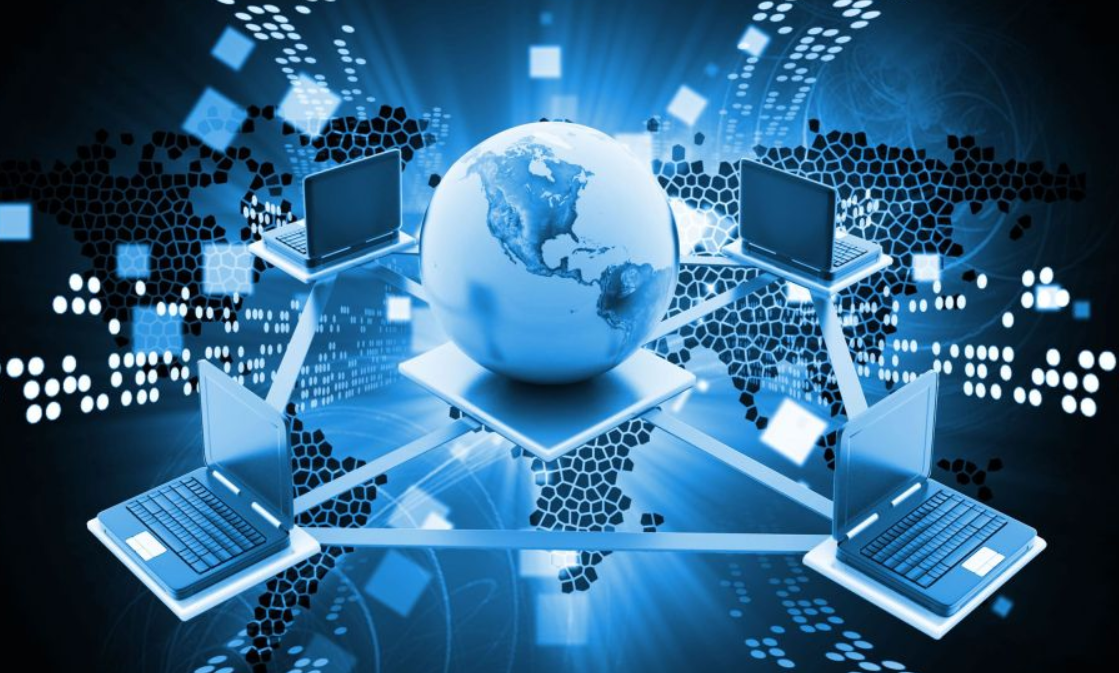
At its core, Information Technology is all about using computers, software, and networks to process, store, and share information. Sounds simple, right? But when you break it down, IT is what powers:
- The internet connection that keeps you in touch with family abroad.
- The apps that help you order food or book a cab.
- The software that keeps businesses running smoothly.
- The cybersecurity systems that protect your data from hackers.
A Short Stroll Through History
Imagine the 1960s: Computers were massive, room-sized machines, and only governments or large corporations could afford them. IT was a distant, almost mysterious field. Fast forward to the 1980s, and suddenly, personal computers like the Apple II and IBM PC started finding their way into homes. By the 1990s, the internet revolution took hold, connecting people like never before.
Then came the 2000s: smartphones, social media, cloud computing, and e-commerce completely changed how we work, talk, and live. Today, IT is everywhere—from the smartwatch on your wrist to artificial intelligence assisting doctors in diagnosing diseases.
Why IT Matters in Everyday Life
Let’s pause for a second and think: how many times have you used IT today already? Chances are, you’ve:
- Checked your phone notifications.
- Opened social media or WhatsApp.
- Streamed a video or some music.
- Used online banking or digital wallets.
Each of these actions is powered by IT. Without it, life as we know it today would feel like a time-travel back to the stone age.
The Workplace and IT: More Than a Desk Job
When people think of IT professionals, they often imagine “techies” in cubicles. But the reality is more colorful. IT has opened doors for countless career paths—from software development and cloud computing to digital marketing and ethical hacking.
Beyond careers, IT has also reshaped workplaces:
- Remote work has become normal thanks to tools like Zoom, Slack, and Google Meet.
- Businesses can scale globally without even having a physical office.
- Freelancers can find opportunities from clients in other countries.
The Human Challenges of IT
Like every powerful tool, IT comes with challenges:
1. Digital Divide
Not everyone has equal access to technology. While some enjoy super-fast internet and the latest gadgets, others struggle with poor connectivity or no access at all. This gap creates inequalities in education, job opportunities, and social mobility.
2. Cybersecurity Threats
With convenience comes risk. Identity theft, scams, hacking, and data leaks are very real dangers. IT professionals work day and night to create safer systems, but threats evolve just as fast as solutions.
3. Human Burnout
Because IT is everywhere, people often feel “always online.” Notifications, emails, work chats—constant connectivity can lead to stress and burnout. Ironically, the technology that makes life easier can also overwhelm us.
IT and Human Emotions
Here’s a side we often overlook: IT isn’t just technical—it’s deeply emotional. Think about it:
- The joy of seeing your loved one’s face over a video call after months apart.
- The relief of being able to transfer money instantly during an emergency.
- The excitement of watching your favorite series in high definition.
- The pride of a student getting access to online resources and learning something new.
The Future of IT: Where Are We Heading?
Looking ahead, IT is on the brink of even bigger changes. Here are some glimpses:
- Artificial Intelligence (AI): Machines that can think, learn, and help us in everything from healthcare to education.
- Virtual Reality (VR) and Augmented Reality (AR): Experiences where the digital and real world merge—virtual classrooms, virtual tourism, or even attending concerts from your living room.
- 5G and Beyond: Faster connectivity that will make today’s internet look slow.
- Green IT: Technologies designed to reduce energy use and support sustainability.
Final Thoughts: IT is Us
So, when we talk about Information Technology, let’s not just reduce it to servers, codes, or algorithms. IT is a human story of curiosity, innovation, and resilience. It’s about bridging distances, creating opportunities, and making life a little smoother.
The next time you hear the term Information Technology, don’t just think of machines. Think of the humans behind it, the humans using it, and the humans benefiting from it. Because in the end, IT isn’t just technology—it’s us.